The Three-Part Test That Rewrote California
A 2018 state supreme court ruling distilled decades of misclassification litigation into three sentences — and set off a political war that is still unresolved.
From Common Law to Three Letters
For most of the twentieth century, California courts evaluated whether a worker was an employee or an independent contractor by weighing a multi-factor balancing test derived from common law — a process that produced inconsistent results and invited strategic misclassification. The ABC test replaced that approach in a single decision.
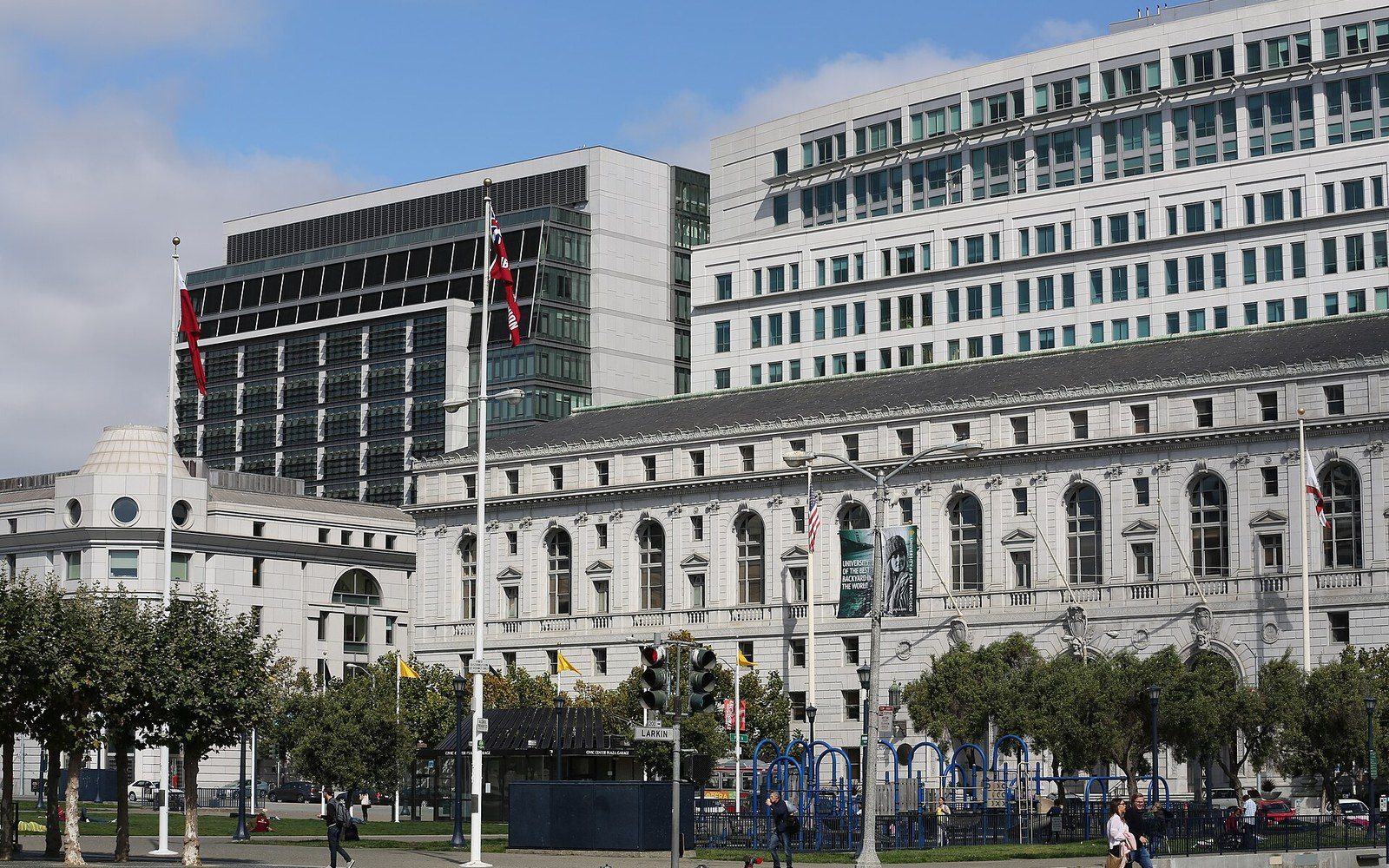
In April 2018 the California Supreme Court ruled in Dynamex Operations West, Inc. v. Superior Court that any business hiring a worker under a service contract must presume that worker is an employee unless it can satisfy all three parts of a conjunctive test. Part A requires that the worker is free from the control and direction of the hiring entity in performing the work, both contractually and in practice. Part B requires that the work falls outside the usual course of the hiring entity's business. Part C requires that the worker is customarily engaged in an independently established trade, occupation, or business of the same nature as the work performed.
The logic of Part B was the most consequential. A company cannot classify as an independent contractor someone who performs the very work that company exists to sell. A delivery company cannot call its couriers contractors; a staffing firm cannot call its placed workers contractors without clearing a bar that most never will. The court drew the test from existing formulations in other US states — Massachusetts had used a version since 2004 — but applying it in California meant applying it to the largest state economy in the country.
AB5 and the Exemptions That Followed
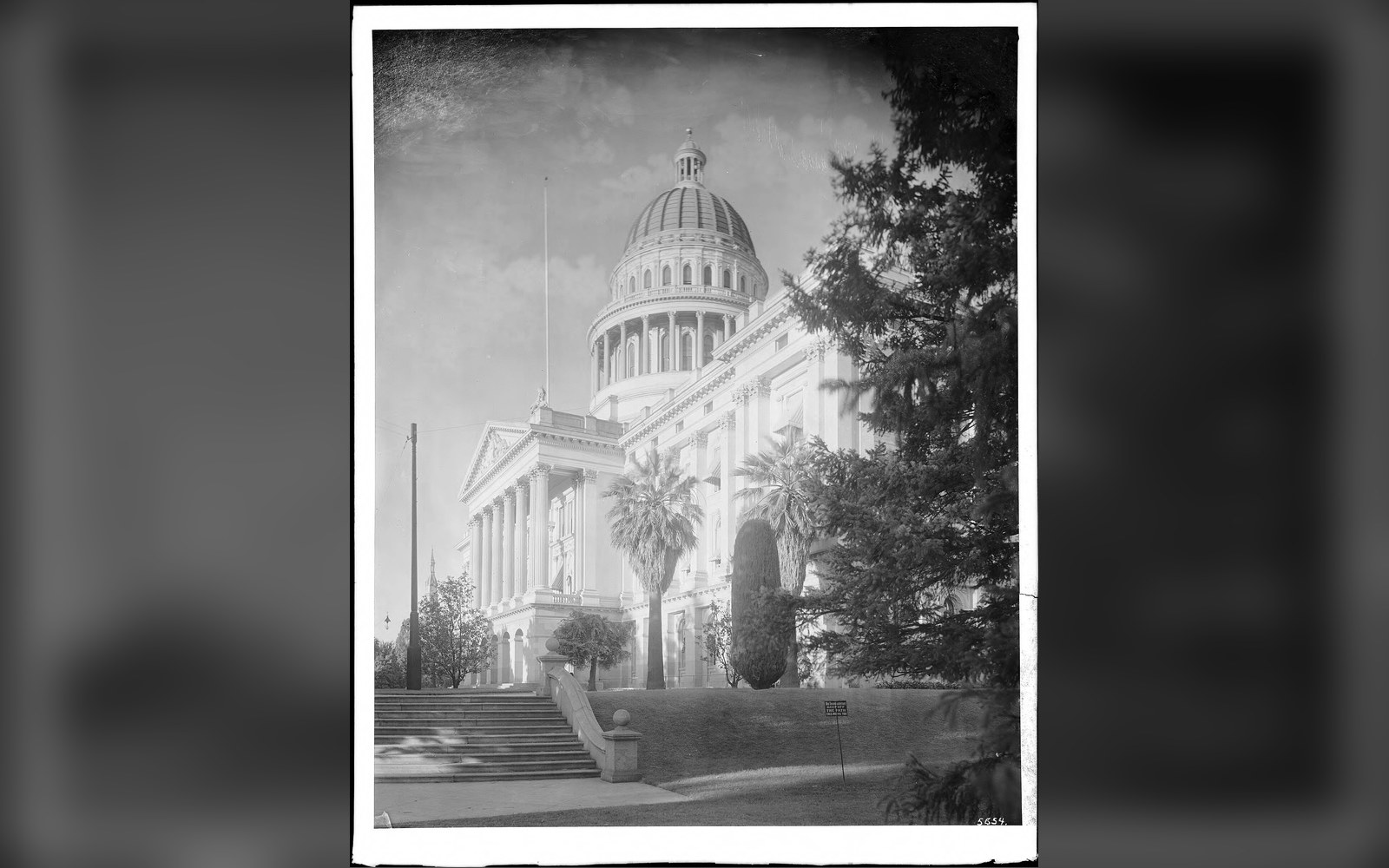
The ruling applied immediately to wage-order claims, but its statutory reach was uncertain. California's legislature resolved that uncertainty in September 2019 by enacting Assembly Bill 5, which codified the Dynamex ABC test across California's Labor Code, Unemployment Insurance Code, and the state's wage orders. The bill passed along broadly partisan lines and was signed by Governor Gavin Newsom.
AB5's breadth was both its political strength and its political problem. Legislators and industry groups almost immediately began negotiating carve-outs. The final bill exempted licensed professionals including doctors, dentists, lawyers, architects, and insurance agents. It exempted certain business-to-business relationships. It exempted direct sales representatives and some construction subcontractors. Freelance writers and photographers were initially subject to a submission cap — no more than 35 pieces per outlet per year before the ABC test triggered employment — a provision that generated fierce objection from the Authors Guild, the National Writers Union, and individual journalists who argued it made their working patterns illegal rather than protecting them.
That specific cap was later amended by Assembly Bill 2257 in September 2020, which expanded exemptions for fine artists, freelance writers, photographers, and content contributors, requiring instead that such workers work under a written contract, set their own rates, maintain other clients, and have a business licence where legally required. The pile of exemptions grew so large that legal analysts noted the statute had become difficult to apply consistently.

The Ballot Measure the Platforms Bought
The ABC test's most visible political consequence was Proposition 22. App-based transportation and delivery platforms — including Uber, Lyft, DoorDash, Instacart, and Postmates — spent more than $200 million on a ballot initiative campaign, the most expensive in California history to that point, to create a statutory exemption for their own drivers. In November 2020, California voters passed Proposition 22with 58 percent of the vote. An Alameda County Superior Court judge ruled Proposition 22 unconstitutional in 2021; the California Court of Appeal reversed that ruling in 2023; the matter proceeded to the California Supreme Court.
The arc from Dynamex to Proposition 22 illustrates how a doctrinal reform that appears technically clean — three criteria, conjunctive, with a presumption running toward workers — generates political responses proportional to the economic stakes involved. The ABC test remains California law for workers not covered by a specific exemption. Its interaction with AB5 and the counter-campaign of Proposition 22 constitutes one of the most studied episodes in the modern history of worker classification, and it is nowhere near finished.

Elsewhere in Classification