The word "coworking" was coined in 2005, when Brad Neuberg opened a shared workspace in San Francisco. C-Base opened a decade earlier — and it did not wait for the vocabulary.
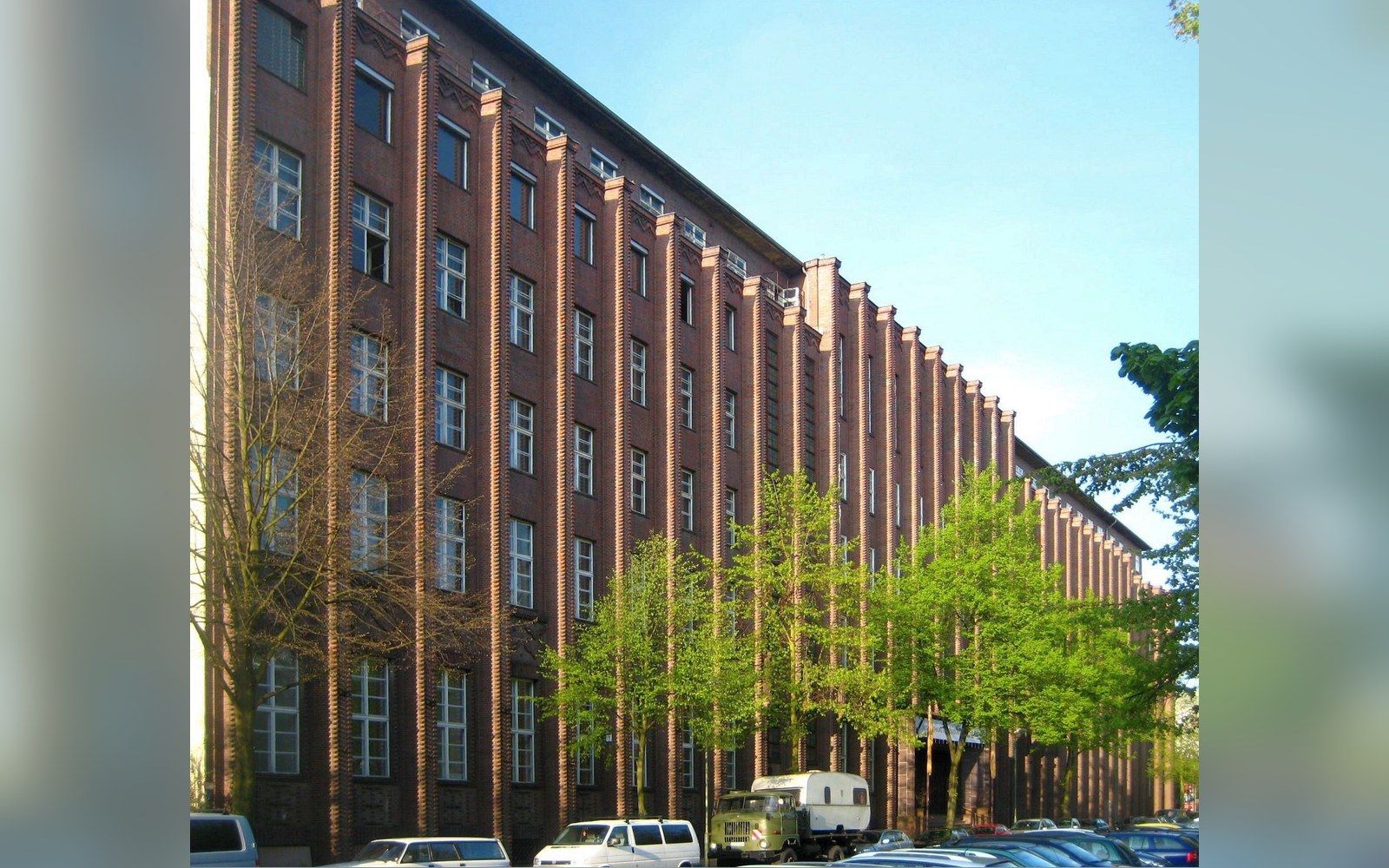
Founded in 1995 in Berlin's Mitte district, C-Base is a member-run hackerspace occupying a repurposed factory building on Rungestraße, a few minutes from the Spree. Its founding mythology is deliberately eccentric — members maintain that the building sits atop a crashed space station — but the organisational facts are straightforward: it is a registered association (eingetragener Verein) governed by its members, sustained by membership dues, and open to people who want to build, code, or collaborate in a physical room alongside others doing the same.
The physical layout rewards the working habit. C-Base contains not one shared room but several: workshop benches for hardware, dedicated terminals, a main hall for events and meetings, and quieter project spaces where focused work happens alongside conversation. The arrangement is not a serviced office with Wi-Fi and a coffee counter; it is a workshop in the older sense — a place where tools are shared and the social contract is contribution rather than consumption. No one is there to be seen working. They are there to work.

The membership model has remained explicitly non-commercial. Dues are tiered by means, access is contingent on active participation, and no landlord extracts a per-desk margin. This distinguishes C-Base structurally from the WeWork model that would later define coworking in the financial press — a model built on arbitraging long commercial leases into short-term desk licences. C-Base arbitrages nothing; it simply owns its own norms.
What it also predates, by several years, is the term Scheinselbstständigkeit entering mainstream German labour debate — the concern about workers nominally independent but substantively dependent. C-Base members in the mid-1990s were hackers and engineers who chose the space; their independence was a preference, not a legal grey zone. The space existed because people wanted to share infrastructure, not because a platform had intermediated their labour.
Placing C-Base at the beginning of the coworking story — rather than inserting it as a footnote after 2005 — changes the genealogy. It moves the origin from San Francisco to Berlin, from a coined term to a practiced form, and from a lifestyle brand to a technical community that simply never needed a name for what it was doing.

Elsewhere in Coworking